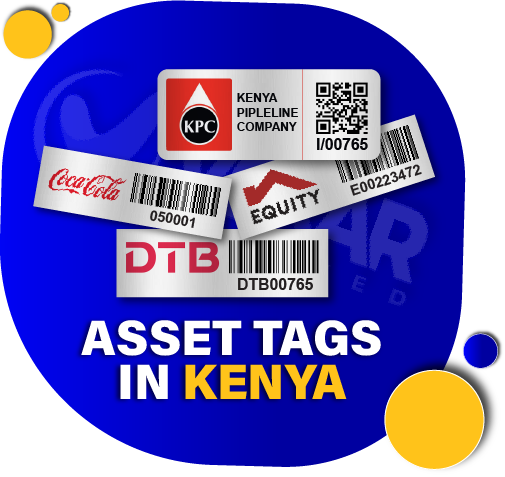

Tagging fixed assets links every physical item to a line in your fixed asset register. Done well, it makes stock-takes faster, supports audits and shows quickly when something goes missing. This guide walks finance, admin and procurement teams through a tagging project from start to finish.
Step 1: Decide what to tag
Start from your accounting policy. Most organisations tag every asset above their capitalisation threshold, plus portable items that are easy to lose, such as laptops, projectors and tools, even when they cost less.
- Furniture and fittings
- Computers, laptops, printers and network equipment
- Machinery, tools and workshop equipment
- Vehicles, generators and outdoor equipment
- Medical, laboratory and kitchen equipment
Step 2: Clean up the fixed asset register
Before any tag is printed, make sure the register lists each asset with a description, location, department, custodian and serial number. Add a column for the new tag number. If the register is out of date, plan an asset verification at the same time as the tagging.
Step 3: Design a numbering system
Keep the numbers simple and unique. A short prefix for the organisation followed by a running number works for most, for example NAMS-000125. Some organisations add a code for the location or asset class, but long numbers are harder to read and type.
- Never reuse a number, even after an asset is disposed of.
- Order tags in a continuous sequence so repeat orders follow on.
- Add a barcode or QR code to the number so it can be scanned.
Step 4: Choose the right tag for each asset
| Asset type | Suggested tag | Fixing |
|---|---|---|
| Office furniture | Aluminium or polyester | 3M or peel-and-stick adhesive |
| Laptops and IT equipment | Polyester, or aluminium for high-value items | Peel-and-stick or 3M adhesive |
| Machinery and tools | Anodized aluminium or stainless steel | Acetone-activated adhesive, rivets or screws |
| Vehicles and outdoor equipment | Anodized aluminium or stainless steel | Rivets or screws |
| Assets at risk of tag removal | Tamper-proof VOID tags | Adhesive |
Our guide to aluminium, vinyl and polycarbonate tags covers materials in more detail, and our asset tags price guide explains what affects the cost.
Tagging laptops and IT equipment? See asset tag stickers for computers and laptops. For large registers where counting speed matters, consider RFID asset tags and readers, and for permanent markings see engraved asset tags. You can look at asset tag samples and customized asset tags before you decide.
Step 5: Agree where the tag goes
Pick one position for each type of asset, for example the top right corner at the back of every desk, or under the screen on every laptop. The tag should be visible, easy to scan and away from heat, moving parts and surfaces that are cleaned often.
Step 6: Fix the tags
- Clean the surface so it is dry and free of dust and grease.
- Check that the tag number matches the asset in the register.
- Fix the tag with the agreed adhesive, rivets or screws, and press adhesive tags down firmly.
- Scan or record the tag number against the asset straight away.
For large projects, our team can do this for you as part of our on-site asset tagging service.
Step 7: Verify and keep the register up to date
Once every asset is tagged, check a sample against the register, then plan a full verification at least once a year, for example before the year-end audit. Tag new assets as soon as they arrive, and record transfers and disposals so the register always matches what is on site.
Public bodies should also read our guide to asset tagging compliance in Kenya.
Common mistakes to avoid
- Printing tags before the register is cleaned up.
- Using paper labels on assets that are handled or cleaned every day.
- Putting tags in different places on identical assets.
- Skipping the verification step after tagging.
Ready to start?
Nice AMS, based in Nairobi, makes asset tags to order, tags assets on site and verifies them against your register. The minimum order is 100 tags and 500 tags can be ready in 1 day.
Need asset tags for your organisation?
Tell us the tag type, size and quantity. Minimum order 100 pcs, and 500 tags can be ready in 1 day.