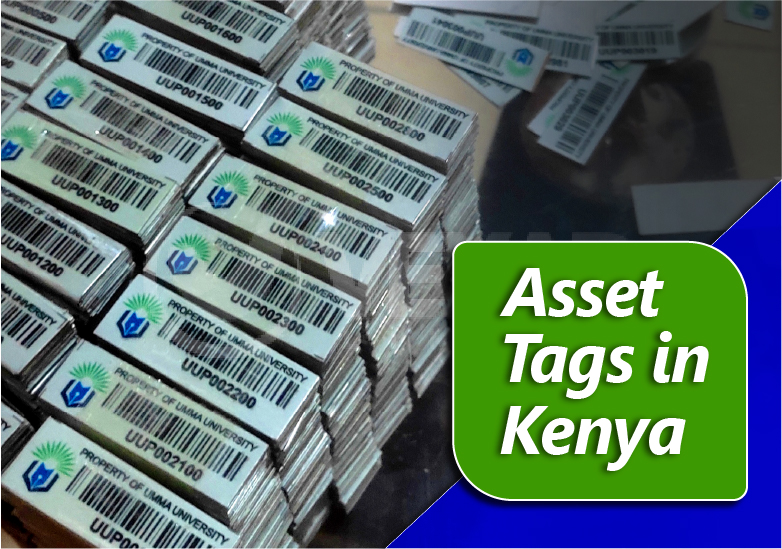
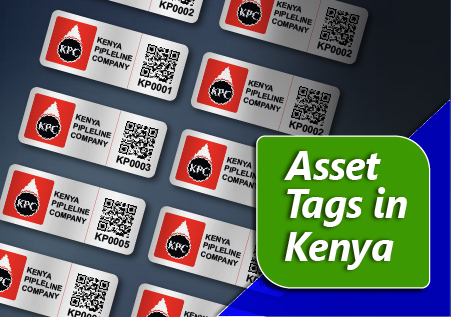
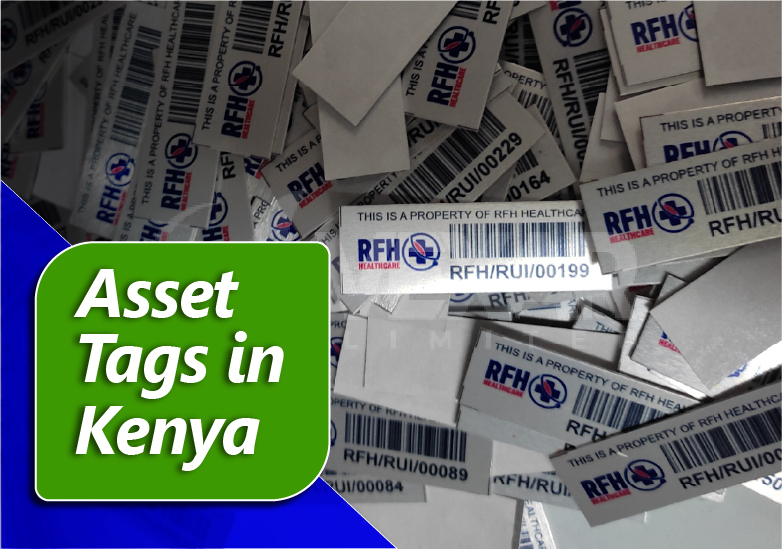
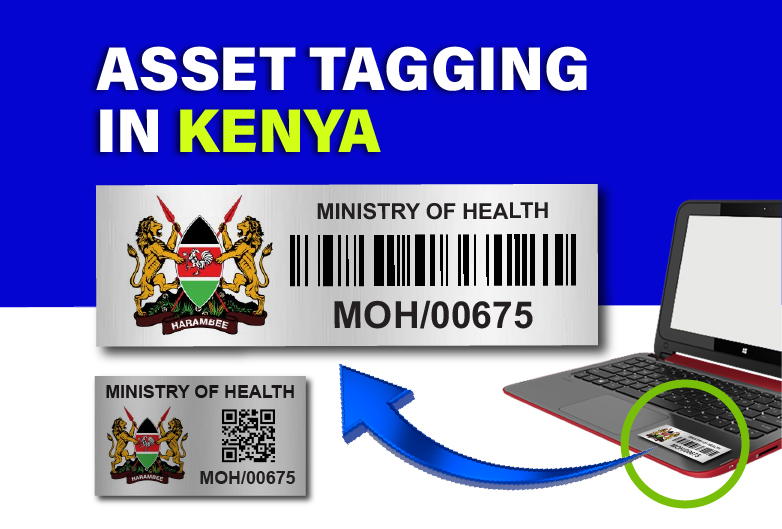
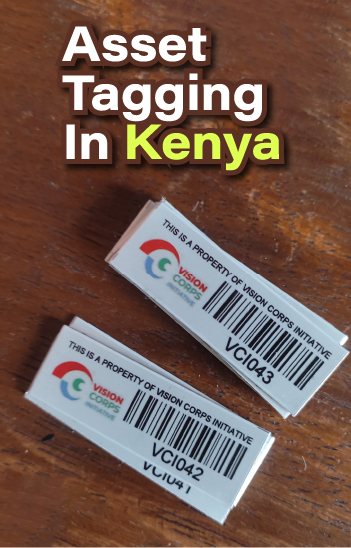
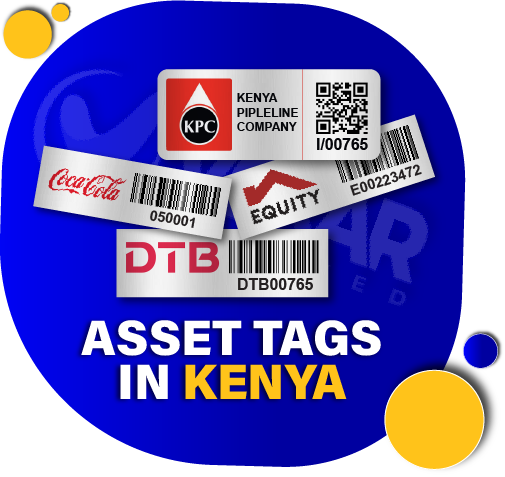
There are various types of asset tags available in the market, each with its own set of features and benefits. One popular type is aluminium asset tags. Aluminium Asset Tags are known for their durability and resistance to harsh environmental conditions, chemicals, and UV rays without fading or deteriorating.
When it comes to managing and tracking fixed assets, having the right type of asset tags is crucial. There are several different types of asset tags available, each with its own unique features and benefits.
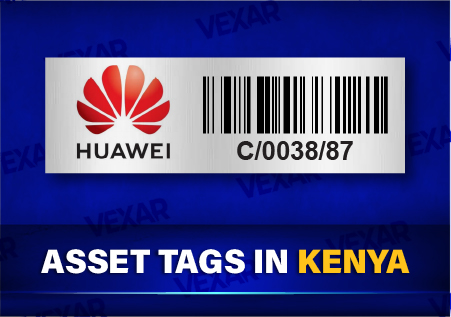
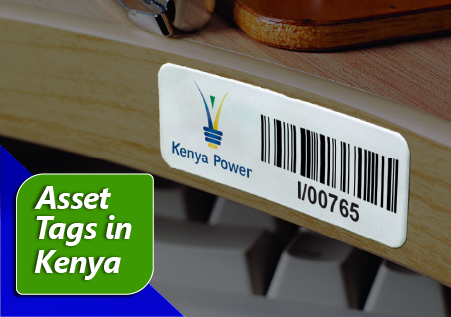
1. Barcode Asset Tags: These tags contain a barcode that can be scanned using a barcode scanner or mobile device. They are cost-effective and easy to implement, making them a popular choice for asset tracking.
2. RFID Asset Tags: RFID (Radio Frequency Identification) tags use radio waves to transmit data wirelessly. They offer real-time tracking capabilities and can be read from a distance without line-of-sight, making them ideal for large-scale asset management.
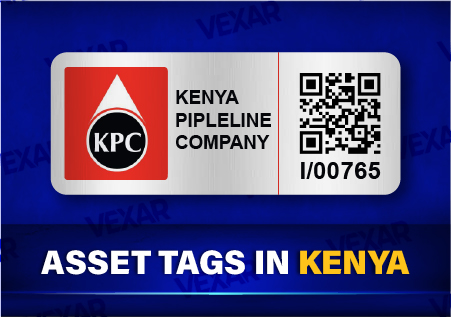
3. QR Code Asset Tags: QR (Quick Response) code tags are similar to barcode tags but can store more information. They can be scanned using a smartphone or tablet with a QR code reader app, providing quick access to asset details.
4. GPS Asset Tags: These advanced tags incorporate GPS technology to track the location of assets in real-time. They are commonly used for high-value assets or those that frequently move between locations.
5. Tamper-Evident Asset Tags: Designed to deter theft and unauthorized removal, tamper-evident asset tags leave behind visible evidence if someone tries to remove or tamper with them.
6. Metal Asset Tags: Made from durable materials such as aluminum or stainless steel, metal asset tags are resistant to harsh environments and provide long-lasting identification for assets in challenging conditions.
Choosing the right type of asset tag depends on factors such as the nature of your assets, tracking requirements, budget constraints, and environmental considerations. By selecting the appropriate tag type, you can streamline your fixed asset management processes and ensure accurate tracking throughout their lifecycle.